

Why Is My House Still Cold After Insulation?
You added INSULATION to your home, yet the rooms still feel cold. This can be frustrating, especially during a cold UK winter. You may expect warmer rooms, lower heating bills, and better comfort. However, insulation alone cannot fix every source of heat loss.
Several other issues can make a house feel cold. Gaps around windows, cold floors, poor roof coverage, draughts, and weak heating can all play a part. Therefore, it helps to find the real cause before adding more material.
This guide explains why your home may still feel cold after an upgrade. It also covers loft insulation, roof insulation, thermal gaps, draughts, and other common problems.
1. Your Loft May Not Have Enough Coverage
Heat rises. As a result, a large amount of heat can escape through the roof if the loft has poor coverage.
Good loft insulation helps slow this heat loss. However, thin or uneven coverage may not give your home the result you expect. Some areas may also have gaps around pipes, cables, and loft hatches.
Check the whole loft space rather than looking at one small area. The material should cover the main ceiling area without large gaps.
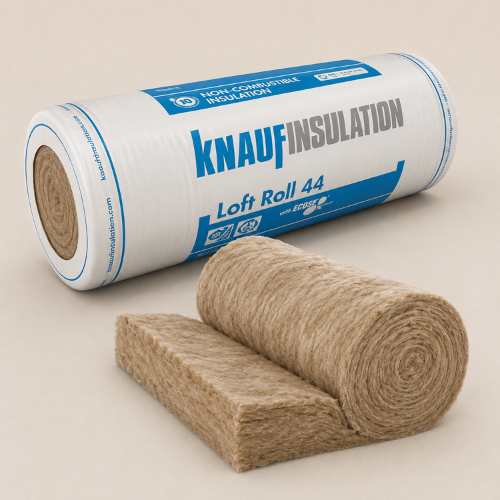
A suitable loft insulation roll can help create an even layer across the loft floor. For many homes, this can make a noticeable difference.
2. The Roof May Still Lose Heat
Your roof is another important part of your home’s thermal envelope. If the roof area has weak protection, heat can escape even when the loft floor has some insulation.
Roof insulation can help reduce this loss. The correct approach depends on whether you have a cold loft, warm loft, pitched roof, or another roof design.
However, do not simply add material without checking the existing setup. Moisture control and ventilation also matter. A suitable balance can help protect both your home and the insulation material.
3. Draughts Can Make Rooms Feel Much Colder
Sometimes, the main problem is not a lack of insulation. Instead, cold air may be entering your home.
Check common draught points such as:
- Doors
- Windows
- Loft hatches
- Letterboxes
- Floorboards
- Chimneys
- Gaps around pipes
- Cracks around frames
Even a small gap can make a room feel cold. Therefore, seal obvious draughts before deciding that you need more material.
Weatherstripping, door seals, and suitable gap fillers can help. In addition, check whether cold air enters around external doors.
4. Your Windows May Be Losing Heat
Windows can have a major effect on indoor comfort. Older single-glazed windows usually lose more heat than modern double glazing.
Cold glass can also make a room feel uncomfortable. You may have warm air in the centre of the room, while the area near the window still feels cold.
Therefore, check your windows if your INSULATION upgrade has not solved the problem. Look for damaged seals, gaps, condensation, and cold air movement.
Curtains and blinds can also help reduce heat loss. However, they should not block heating units when they are in use.
5. Cold Floors Can Affect Comfort
Your floor can also make a room feel cold. This is especially common in older homes with suspended timber floors.
Cold air may move beneath the floor. At the same time, gaps between boards can allow draughts to enter.
Floor insulation can reduce this problem. Rugs and carpets may also improve comfort. Nevertheless, you should first find out where the cold air comes from.
6. Your Heating System May Need Attention
Good INSULATION helps keep heat inside. However, it cannot replace an effective heating system.
If your boiler, radiators, or controls do not work well, rooms may remain cold. For example, a radiator may have cold spots because of trapped air or another system issue.
Check whether each radiator heats evenly. Also, look at your thermostat settings. If the thermostat sits in a warmer area, it may stop the heating before colder rooms reach a comfortable temperature.
Smart heating controls can help you manage temperatures more effectively. However, correct settings still matter.
7. The Insulation May Have Gaps
Poor installation can reduce the value of otherwise good material. Gaps, compression, moisture, or uneven layers can create weak points.
This problem can happen with lofts, walls, floors, and roofs. Therefore, inspect the installation if possible.
Products such as knauf loft insulation are designed for use in suitable loft applications. However, the product must still be installed correctly.
Do not squash insulation unnecessarily. Follow the manufacturer’s installation guidance and keep required ventilation paths clear.
8. Moisture Can Make a House Feel Cold
Damp areas often feel colder. Moisture can also affect the performance and condition of building materials.
Look for signs such as:
- Damp patches
- Mould
- Condensation
- Musty smells
- Wet loft materials
- Water stains
If you find moisture, deal with the source first. A leaking roof, plumbing problem, or poor ventilation may need attention.
Good thermal insulation should work alongside proper ventilation and moisture control. Each part supports the overall performance of your home.
9. You May Need Better Attic Coverage
In homes with an attic space, poor coverage can create another heat-loss route. Attic insulation can help reduce heat transfer between living areas and the roof space.
However, every building has different needs. The right thickness and installation method depend on the structure and intended use of the space.
For this reason, avoid adding random layers without checking the existing setup. A professional assessment can help if you are unsure.
10. Choose the Right Insulation for Your Home
There is no single solution for every property. Your home may need better INSULATION, improved draught control, window upgrades, or heating repairs.
For example, insulation for loft spaces can help reduce heat loss through the ceiling. Meanwhile, energy saving insulation can support lower energy use when installed correctly.
Products such as loft roll insulation are common choices for suitable loft floors. Similarly, knauf insulation products can provide options for different building applications.
The key is to match the product to the area. Correct installation is just as important as the product itself.
Can More Insulation Make My House Warmer?
Adding more INSULATION may help if your current layer is too thin or has gaps. However, more material does not always solve the problem.
First, check for draughts, damp, windows, floors, and heating issues. Then decide whether more insulation is needed.
A balanced approach usually gives better results than simply adding another layer.
How Long Does Insulation Take to Work?
You should notice a difference once the heating system warms the house. However, the exact result depends on the property, weather, building materials, heating system, and installation quality.
A well-insulated home should hold heat for longer. Therefore, rooms may stay comfortable for more time after the heating switches off.
FAQs
Why is my house cold even with insulation?
Your house may still feel cold because of draughts, poor windows, cold floors, weak heating, damp, or gaps in the insulation.
Can loft insulation make a big difference?
Yes. Properly installed loft insulation can reduce heat loss through the ceiling. It works best when coverage is even and ventilation remains suitable.
Is roof insulation better than loft insulation?
It depends on your roof design and how you use the loft. A suitable professional can help identify the best location for the insulation.
Does insulation reduce heating bills?
It can reduce heat loss, which may help your heating system maintain a comfortable temperature with less energy. Actual savings vary between homes.
Should I add more insulation?
Not always. First, check for gaps, draughts, damp, poor windows, and heating problems. Adding more material may not fix another underlying issue.
Final Thoughts
A cold house does not always mean you need more INSULATION. The real cause may be draughts, windows, floors, moisture, roof gaps, or an inefficient heating system.
Start with a simple inspection. Check your loft, roof, doors, windows, floors, and heating. Next, look for gaps or damp areas. Finally, choose suitable materials for the part of the home that needs improvement.
Good insulation works best as part of a complete energy-saving plan. With the right product, correct installation, good ventilation, and proper heating control, your home can become warmer and more comfortable.
