



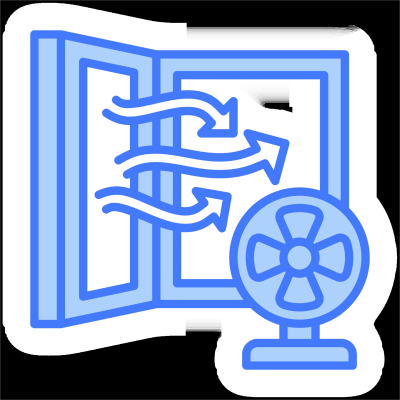




How Ventilation Works in a House: A Simple Guide to Healthy Living
A healthy home needs more than strong walls and a solid roof. It also needs fresh air that moves through every room. Good ventilation removes stale air and brings in clean outdoor air. At the same time, INSULATION helps keep your home warm in winter and cool in summer. Together, they create a home that feels comfortable, saves energy, and protects your health.
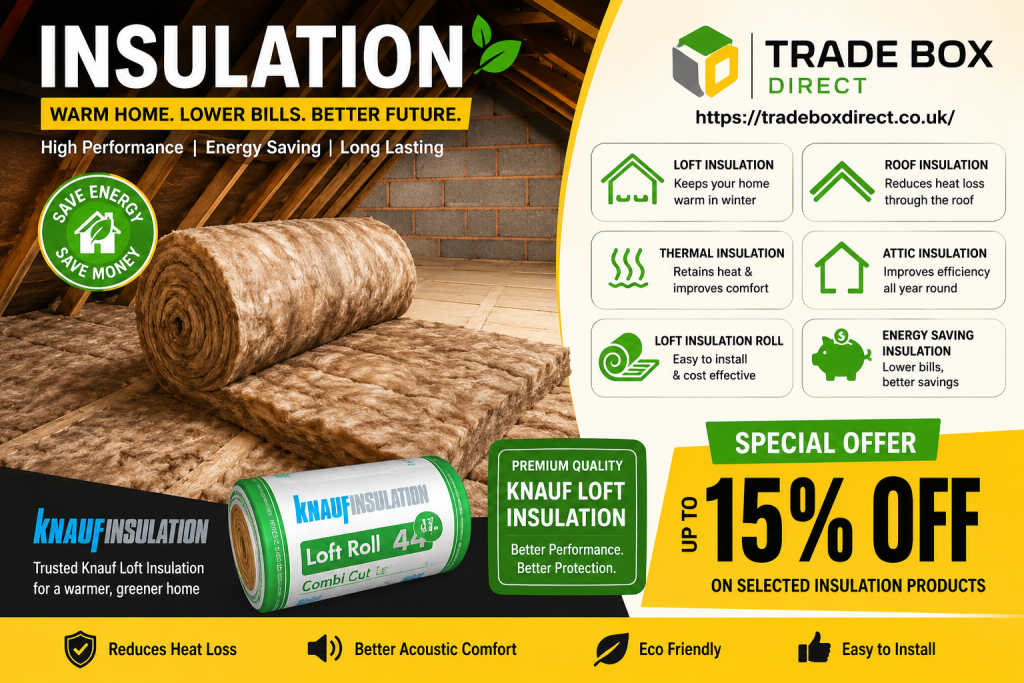
Many people think ventilation and INSULATION are separate topics. However, they work as a team. A well-insulated house without proper ventilation can trap moisture and poor-quality air. Likewise, a house with excellent ventilation but poor INSULATION can lose heat and waste energy. Therefore, both systems must work together.
In this guide, you will learn how ventilation works in a house, why it matters, and how INSULATION supports the entire process.
What Is House Ventilation?
Ventilation is the movement of fresh air into your home while stale air moves out. This process helps remove moisture, dust, cooking smells, smoke, and indoor pollutants.
Without proper airflow, moisture can build up inside walls, ceilings, and windows. As a result, mould and mildew may grow. Moreover, stale air can make your home feel uncomfortable and unhealthy.
Fresh air enters through windows, doors, vents, trickle vents, air bricks, and mechanical ventilation systems. Meanwhile, old air leaves through extractor fans, roof vents, and other openings.
Because homes today are built to be more airtight, ventilation has become more important than ever. Good INSULATION keeps warmth inside, while ventilation keeps indoor air fresh.
Why Is Ventilation Important?
Every day, your family creates moisture simply by living in the house. Cooking, showering, washing clothes, and even breathing release water vapour into the air.
If this moisture cannot escape, several problems may appear.
These include:
- Damp walls
- Condensation on windows
- Mould growth
- Bad smells
- Poor indoor air quality
- Damage to furniture
- Higher humidity
Fortunately, proper ventilation removes this extra moisture before it becomes a problem.
At the same time, INSULATION keeps indoor temperatures stable. Therefore, the right balance between airflow and INSULATION helps prevent condensation while improving comfort.
How Ventilation Works in a House
Ventilation works by replacing stale indoor air with clean outdoor air. Air naturally moves because of pressure and temperature differences.
There are three main ways this happens.
1. Natural Ventilation
Natural ventilation uses outdoor air without electricity.
Fresh air enters through:
- Open windows
- Air bricks
- Window trickle vents
- Small wall vents
Meanwhile, warm air rises and leaves through higher openings.
This method is simple, affordable, and effective during mild weather.
However, natural ventilation depends on wind and outdoor temperatures. Therefore, it may not always provide enough airflow.
Good INSULATION helps reduce unwanted heat loss while allowing planned ventilation to work properly.
2. Mechanical Ventilation
Mechanical ventilation uses electric fans to move air.
Common systems include:
- Bathroom extractor fans
- Kitchen extractor hoods
- Whole-house ventilation systems
- Positive Input Ventilation (PIV)
- Mechanical Ventilation with Heat Recovery (MVHR)
These systems provide steady airflow throughout the year.
Moreover, they continue working even when windows remain closed.
Many modern homes use mechanical ventilation because strong INSULATION makes buildings much more airtight.
3. Hybrid Ventilation
Hybrid ventilation combines natural airflow with mechanical systems.
For example, windows may provide airflow during summer. However, extractor fans may operate during winter.
As a result, homeowners enjoy better comfort while using less energy.
How Fresh Air Travels Through Your Home
Air should move through every room in a planned way.
Usually, fresh air enters living rooms and bedrooms first.
Then, it flows through hallways.
Finally, it leaves through bathrooms, kitchens, and utility rooms.
This airflow removes moisture where it is produced most.
Therefore, indoor air stays cleaner and healthier.
Strong INSULATION supports this process because rooms stay warm without needing unwanted air leaks.
The Role of Air Bricks
Air bricks are small openings in outside walls.
They allow air to move beneath suspended wooden floors and inside wall cavities.
Without air bricks, moisture may collect under floors.
Eventually, timber can rot.
Fortunately, air bricks improve airflow and reduce damp problems.
They also help protect the effectiveness of INSULATION installed inside floors and walls.
How Window Trickle Vents Help
Modern windows often include trickle vents.
These small openings allow fresh air inside without opening the entire window.
Because they stay open slightly, they provide continuous airflow.
As a result, humidity stays lower while heat loss remains limited.
This makes trickle vents an excellent partner for modern INSULATION systems.
Kitchen and Bathroom Ventilation
Bathrooms and kitchens create the highest moisture levels.
For example:
- Boiling water creates steam.
- Showers release humidity.
- Drying clothes indoors adds moisture.
- Cooking releases smoke and grease.
Extractor fans remove this warm, moist air before it spreads through the house.
Therefore, they are one of the most important ventilation features.
When combined with quality INSULATION, these rooms stay warmer and dry faster.
Loft and Roof Ventilation
Your roof also needs ventilation.
Warm indoor air naturally rises.
If moisture becomes trapped in the loft, condensation may develop.
Over time, this can damage roof timbers and reduce the life of roofing materials.
Roof vents, ridge vents, soffit vents, and eaves ventilation allow fresh air to circulate.
At the same time, loft INSULATION keeps heat inside your living spaces while allowing the roof area to stay cool and dry.
How Insulation Supports Ventilation
Many people believe ventilation removes heat.
While some warm air does leave the house, good INSULATION reduces unnecessary heat loss.
This creates several benefits.
Better Energy Efficiency
Warm air stays inside longer.
Therefore, heating systems work less.
Less Condensation
Warmer walls reduce cold surfaces where moisture forms.
Improved Comfort
Rooms feel warmer with fewer cold spots.
Healthier Living
Fresh air continues moving while temperatures stay comfortable.
Because of these benefits, INSULATION and ventilation should always work together instead of competing.
Common Signs of Poor Ventilation
You may already have ventilation problems if you notice:
- Wet windows each morning
- Damp patches
- Mould around ceilings
- Musty smells
- Peeling wallpaper
- High indoor humidity
- Dust build-up
- Allergies becoming worse
If you notice these signs, improving ventilation should become a priority.
In many cases, checking your home’s INSULATION at the same time also provides long-term improvements.
Tips to Improve Ventilation at Home
Fortunately, improving ventilation is often simple.
You can:
- Open windows regularly.
- Use extractor fans while cooking.
- Turn bathroom fans on after showers.
- Keep air bricks clear.
- Clean trickle vents.
- Avoid blocking vents with furniture.
- Dry clothes outdoors when possible.
- Maintain roof ventilation.
- Check loft airflow regularly.
- Upgrade old INSULATION if needed.
Together, these small actions make a noticeable difference.
Ventilation and Energy Savings
Many homeowners worry that ventilation wastes heat.
Fortunately, modern ventilation systems are designed to reduce this problem.
Mechanical Ventilation with Heat Recovery (MVHR) captures heat from outgoing air.
Then, it transfers that heat to incoming fresh air.
As a result, the house receives clean air while keeping much of its warmth.
When combined with effective INSULATION, energy bills can stay lower without sacrificing comfort.
This balanced approach is becoming common in modern energy-efficient homes.
Common Ventilation Mistakes
Many people accidentally reduce airflow.
Common mistakes include:
- Blocking air bricks
- Closing trickle vents all year
- Turning off extractor fans
- Covering vents with furniture
- Ignoring roof ventilation
- Skipping fan maintenance
Although these actions may seem harmless, they often create moisture problems.
Instead, allow air to move naturally while relying on good INSULATION to maintain indoor comfort.
Final Thoughts
A healthy home depends on fresh air moving through every room. Ventilation removes moisture, improves indoor air quality, and helps prevent damp and mould. At the same time, INSULATION keeps heat where it belongs and improves energy efficiency. When these two systems work together, your home becomes healthier, warmer, and more comfortable throughout the year.
Whether you are building a new house or improving an older one, never focus on only one system. Instead, combine effective ventilation with quality INSULATION for the best results. This balanced approach protects your home, supports your family’s health, and helps reduce energy costs for many years to come.