









How Does a Dishwasher Work with Detergent? A Simple Guide to Better Cleaning
Introduction
A dishwasher makes life easier. It washes plates, bowls, cups, and cutlery with very little effort. As a result, you save time every day. It also uses less water than washing many dishes by hand.
However, many people still ask one simple question. How does a dishwasher work with detergent? The answer is easier than you may think. A dishwasher uses hot water, strong spray arms, and detergent at the right time. Together, these parts remove food, grease, and stains from your dishes.
Moreover, the detergent does much more than make bubbles. It breaks down grease and lifts food from every surface. Then the hot water washes everything away. Finally, the dishwasher rinses and dries your dishes, so they are ready to use again.
Furthermore, using the right detergent helps your dishwasher work better. It keeps dishes shiny, helps stop cloudy marks, and leaves glasses looking clear. Therefore, choosing a good product can improve every wash.
This guide explains each step in simple words. In addition, you will learn why detergent matters, how each wash cycle works, and where products such as Fairy Liquid – Professional Washing Up Liquid – Original 5L fit into everyday kitchen cleaning.
How Does a Dishwasher Work?
A dishwasher cleans dishes in a few simple steps. Although the machine looks simple from the outside, many parts work together inside. Each step helps remove food, grease, and stains. As a result, your dishes come out clean and fresh.
Let’s look at each step.
Step 1: The Dishwasher Fills with Water
First, the dishwasher fills with fresh water.
Next, the machine heats the water. Most dishwashers warm it to about 50°C to 70°C. This temperature helps soften grease and dried food much faster than cold water.
Meanwhile, the dishwasher checks that enough water has entered the machine. Once the water reaches the right level, the wash cycle begins.
Because the water is hot, food starts to loosen from plates and pans. At the same time, the detergent can work much better.
Therefore, hot water is one of the most important parts of the cleaning process.
Step 2: The Detergent Is Released
Once the water becomes hot enough, the detergent dispenser opens.
Then the detergent mixes with the hot water. Together, they form a strong cleaning solution.
This solution starts breaking down many kinds of dirt, including:
- Grease
- Cooking oil
- Dried food
- Tea stains
- Coffee marks
- Sticky sauces
- Food leftovers
As the detergent spreads around the dishwasher, it reaches every rack. Meanwhile, the cleaning ingredients keep working on tough stains.
Because of this, food becomes much easier to remove.
Without detergent, hot water would remove only some dirt. Grease would still stick to many dishes. Therefore, detergent plays a very important role in every wash.
Step 3: The Spray Arms Start Spinning
After the detergent mixes with the water, the spray arms begin to spin.
These spray arms push hot water across every shelf inside the dishwasher.
As they turn, they spray water in different directions. Therefore, water reaches plates, bowls, glasses, and cutlery from many angles.
Meanwhile, the fairy detergent keeps breaking down grease and food.
Together, the water pressure and detergent lift dirt away from every surface.
Because the spray arms move all the time, every dish gets a deep clean.
However, this only works if nothing blocks the spray arms. Therefore, always leave enough space between your dishes.
Step 4: Dirty Water Drains Away
Once the wash cycle ends, the dirty water leaves the machine.
Then the dishwasher fills with fresh water again.
Next, it rinses every dish with clean water.
As a result, any leftover detergent washes away.
Moreover, the rinse removes tiny food particles that may still remain.
Therefore, your dishes come out clean, fresh, and free from soap.
Step 5: The Dishwasher Dries the Dishes
Finally, the drying stage begins.
Some dishwashers use warm air.
Others use condensation drying.
Both methods remove water from the dishes.
As a result, your plates, cups, and bowls become dry and ready to use.
However, opening the dishwasher door for a few minutes after the cycle ends can help the dishes dry even faster.
Therefore, many people leave the door slightly open before putting everything away.
Why Is Dishwasher Detergent So Important?
Many people think hot water does all the cleaning.
However, that is not true.
Hot water helps, but it cannot remove thick grease by itself.
Instead, detergent does the hard work.
It breaks grease into tiny pieces.
Then the water washes those pieces away.
Because of this, your dishes become much cleaner.
A good dishwasher detergent can also:
- Remove grease quickly
- Break down dried food
- Stop food from sticking again
- Help glasses stay clear
- Reduce white water marks
- Leave dishes looking bright
Furthermore, good detergent helps protect the inside of the dishwasher. It also helps keep the machine cleaner after every wash.
Therefore, choosing the right detergent is just as important as choosing the right wash cycle.
What Happens Inside Dishwasher Detergent?
Dishwasher detergent contains several cleaning ingredients.
Each one has its own job.
Together, they clean dishes much better than water alone.
Surfactants
Surfactants lift grease from dishes.
They also help water spread across every surface.
As a result, cleaning becomes faster and more even.
Enzymes
Enzymes break down food.
For example, they remove:
- Rice
- Pasta
- Eggs
- Bread
- Potato
- Sauce
- Meat juices
Because of this, dried food becomes much easier to wash away.
Water Softeners
Some homes have hard water.
Hard water contains extra minerals.
These minerals leave white spots on glasses.
Fortunately, water softeners reduce these marks.
As a result, your dishes look much cleaner.
Cleaning Agents
Cleaning agents remove stains that are harder to clean.
For example, they help remove tea stains, coffee marks, and greasy food.
Together, all these ingredients help your dishwasher deliver better cleaning after every cycle.
How Does Hot Water Help a Dishwasher?
Hot water plays a big role in every dishwasher cycle. In fact, it helps the detergent work better from the start. Without enough heat, grease can stay on your dishes.
First, hot water softens dried food. Then, it melts grease and oil. As a result, the detergent can lift the dirt much more easily.
Moreover, warm water helps the detergent dissolve faster. Because of this, the cleaning solution spreads across every plate, bowl, and glass.
Hot water also helps reduce germs. Therefore, your dishes come out cleaner and safer to use.
For the best results, most dishwashers heat the water to about 50°C to 70°C. This temperature gives a good balance between cleaning power and energy use.
Why Should You Load a Dishwasher the Right Way?
Even the best dishwasher cannot clean dishes that are packed too tightly. Therefore, loading the machine the right way is very important.
First, place dirty dishes so they face the spray arms. This helps the water reach every surface.
Next, leave a small gap between each item. As a result, water can move freely around every dish.
Also, keep large pots at the sides or back. This prevents them from blocking the spray arms.
For better cleaning, follow these simple tips:
- Face dirty dishes toward the centre.
- Leave space between plates.
- Put cups upside down.
- Place bowls at an angle.
- Keep tall items away from the detergent door.
- Do not block the spray arms.
- Avoid overloading the racks.
By following these steps, your dishwasher can clean every item more evenly.
Common Dishwasher Wash Cycles
Most modern dishwashers have several wash programs. Each one suits a different type of load.
Quick Wash
Quick Wash is best for lightly dirty dishes.
It finishes in less time. Therefore, it is useful when you need clean dishes quickly.
Eco Wash
Eco Wash saves water and electricity.
Although it takes longer, it uses less energy. As a result, many people use this cycle every day.
Intensive Wash
This cycle is made for heavy cleaning.
It works well for:
- Pots
- Pans
- Baking trays
- Burnt food
- Thick grease
Moreover, it uses hotter water and stronger sprays.
Normal Wash
Normal Wash is the most common program.
It works well for everyday dishes.
Because it balances time, water, and cleaning power, it is suitable for most families.
How Much Detergent Should You Use?
Many people think more detergent gives better results.
However, that is not true.
Too much detergent can leave white marks on dishes. It may also waste money.
On the other hand, too little detergent may leave food behind.
Therefore, always follow the instructions on the detergent pack or your dishwasher manual.
The correct amount depends on:
- The size of the load
- How dirty the dishes are
- Your water hardness
- The type of detergent
Using the right amount helps your dishwasher clean better while avoiding waste.
Does Hard Water Affect Dishwasher Cleaning?
Yes, it does.
Hard water contains natural minerals such as calcium and magnesium.
These minerals can stay on your dishes after washing.
As a result, you may notice:
- White spots
- Cloudy glasses
- Limescale inside the dishwasher
- Poor cleaning results
Fortunately, many dishwasher detergents contain water-softening ingredients.
In addition, many dishwashers use dishwasher salt to reduce hard water problems.
Therefore, your dishes stay cleaner and your machine lasts longer.
How Often Should You Clean Your Dishwasher?
Although a dishwasher cleans your dishes, it also needs regular care.
Small food pieces, grease, and soap can build up inside the machine over time.
Therefore, cleaning it often helps it work better.
For the best results:
- Clean the filter every week.
- Wipe the door seals with a soft cloth.
- Check the spray arms for blocked holes.
- Run an empty cleaning cycle once a month.
- Remove grease from the inside walls.
As a result, your dishwasher stays fresh and performs well for many years.
Fairy Detergent and Professional Cleaning
Many homes trust detergent because it removes grease quickly.
Likewise, many cafés, restaurants, and workplaces use fairy washing products every day.
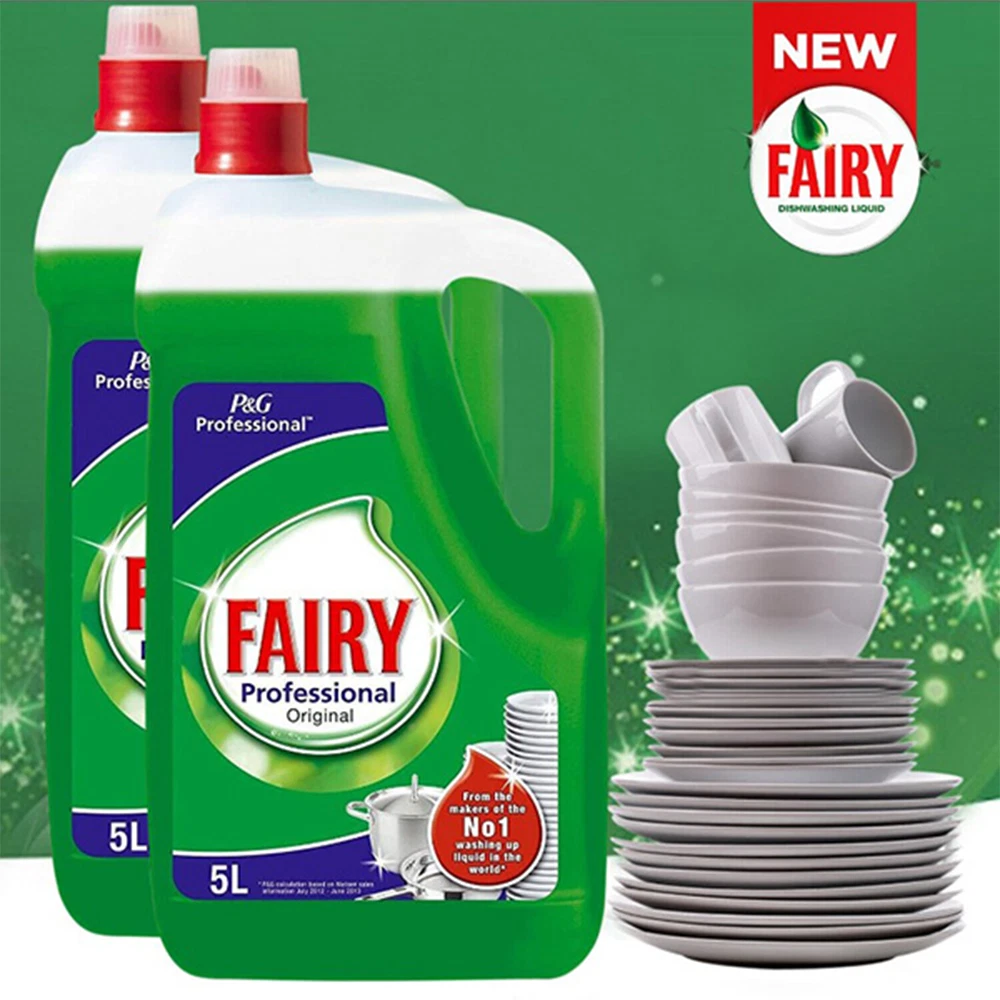
One popular choice is Fairy Liquid – Professional Washing Up Liquid – Original 5L.
This large bottle is made for busy kitchens where many dishes need to be washed by hand.
It offers several benefits:
- Powerful grease removal
- Rich, long-lasting foam
- Professional cleaning quality
- Large 5-litre size
- Good value for regular use
- Suitable for heavy kitchen work
It is important to remember that Fairy Liquid – Professional Washing Up Liquid – Original 5L is made for manual washing. It is not designed for use inside the detergent compartment of an automatic dishwasher.
Instead, it is ideal for washing:
- Pots
- Pans
- Trays
- Kitchen tools
- Serving dishes
- Cooking utensils
Similarly, fairy washing up liquid 5l is a popular choice for schools, offices, cafés, hotels, and commercial kitchens that need reliable cleaning every day.
Simple Tips for Better Dishwasher Results
A few simple habits can make a big difference.
First, scrape large food pieces into the bin.
Next, load your dishes correctly.
Then, choose the right wash cycle.
Also, use fresh detergent every time.
For even better results:
- Clean the filter often.
- Check the spray arms.
- Keep the rinse aid full.
- Use dishwasher salt if needed.
- Avoid overloading the racks.
- Leave space between dishes.
As a result, your dishes will come out cleaner after every wash.
Benefits of Using a Dishwasher
A modern dishwasher offers many advantages.
Saves Time
The machine washes the dishes for you.
Therefore, you have more time for other jobs.
Saves Water
Most modern dishwashers use less water than hand washing.
As a result, they help reduce water use.
Better Cleaning
Hot water and detergent remove grease more easily.
Therefore, dishes come out cleaner.
Better Hygiene
High water temperatures help reduce germs.
Because of this, your dishes become more hygienic.
Less Effort
Simply load the dishwasher, add detergent, and press Start.
Then the machine does the rest.
Common Dishwasher Mistakes
Even a good dishwasher cannot fix simple mistakes.
Fortunately, most problems are easy to avoid.
Common mistakes include:
- Using too much detergent
- Using too little detergent
- Blocking the spray arms
- Overloading the racks
- Forgetting to clean the filter
- Choosing the wrong wash cycle
- Ignoring hard water problems
By avoiding these mistakes, your dishwasher will perform much better.
People Also Ask
How does a dishwasher clean dishes?
A dishwasher sprays hot water mixed with detergent over your dishes. Then, the detergent breaks down grease and food. Finally, clean water rinses everything away before the drying stage begins.
Does a dishwasher need detergent?
Yes. Hot water helps, but detergent removes grease, food, and stains much more effectively.
Can I use washing-up liquid in a dishwasher?
No. Regular washing-up liquid creates too many bubbles. As a result, it may cause leaks and poor cleaning.
Products such as Fairy Liquid – Professional Washing Up Liquid – Original 5L are made for washing dishes by hand. They should not be poured into the detergent compartment of an automatic dishwasher.
Why are my dishes still dirty after a wash?
Several things can cause this problem, including:
- Incorrect loading
- Dirty filters
- Blocked spray arms
- Hard water
- Too little detergent
- A poor wash cycle
Fortunately, most of these problems are easy to fix.
How often should I clean my dishwasher?
Clean the filter every week.
Then, run an empty cleaning cycle once each month.
This keeps your dishwasher working well.
Does hot water clean dishes better?
Yes.
Hot water softens food, melts grease, and helps detergent work faster.
As a result, your dishes become cleaner.
Which detergent should I choose?
Choose a dishwasher detergent that matches your machine and your local water type.
For manual dishwashing, Fairy Liquid – Professional Washing Up Liquid – Original 5L is a trusted choice for cleaning greasy pots, pans, and kitchen tools.
Conclusion
A dishwasher is one of the easiest ways to keep your kitchen clean. It uses hot water, detergent, strong spray arms, rinsing, and drying to remove grease and food from your dishes. Because every stage works together, the machine delivers reliable cleaning with very little effort.
Moreover, using the right detergent helps your dishwasher perform at its best. At the same time, cleaning the machine often and loading it correctly will improve every wash.
If you also wash pots and pans by hand, Fairy Liquid – Professional Washing Up Liquid – Original 5L is a dependable choice. It cuts through grease quickly and is suitable for busy homes and commercial kitchens. However, remember that it is made for manual dishwashing, not for use inside an automatic dishwasher.
Finally, with the right habits, the right detergent, and regular care, your dishwasher can give you sparkling clean dishes, save time, reduce water use, and make daily kitchen cleaning much easier.