

How to Choose the Right Plastic Fittings Used for Pipe Inserts Screwfix: A Complete Guide
Introduction
When you start a plumbing project, choosing the right plastic fittings and pipe inserts is just as important as choosing the right pipe. Many people pay attention to the pipe itself. However, the fittings play a big role in creating a strong and leak-free system. They keep the pipe secure and help your plumbing last for many years.
Many DIY users and professional plumbers search for plastic fittings used for pipe inserts Screwfix because they want reliable parts that are easy to install. Before you buy any fittings, it is helpful to understand what pipe inserts do, why they are important, and how to choose the correct size.
In this guide, you will learn about plastic pipe fittings, plumbing fittings, and plastic pipe insert products. You will also find out when to use a 22MM PIPE STIFFENER INSERT (22mm pipe stiffener insert) and a 15MM Pipe Stiffener Insert (15mm pipe insert). By the end of this guide, you will know which fittings are best for your plumbing project and why they matter.
What Are Plastic Fittings?
Plastic fittings are small connectors that join plastic pipes together. They create secure connections and help stop water leaks. Because they are light, durable, and resistant to rust, they are a popular choice for modern plumbing systems.
Most plastic pipe fittings are made from strong materials such as PVC, CPVC, polypropylene, or polyethylene. These materials can handle moisture and many household chemicals without corroding. As a result, they often last longer than some metal fittings in everyday plumbing applications.
There are many types of plumbing fittings, and each one has a different purpose. The most common types include:
- Elbows
- Tees
- Couplers
- Reducers
- End caps
- Straight connectors
- Compression fittings
- Push-fit fittings
Each fitting helps move water safely through the plumbing system. Choosing the right one makes installation easier and improves the overall performance of your pipework.
What Is a Plastic Pipe Insert?
A plastic pipe insert is a small part that fits inside a plastic pipe before it connects to a push-fit or compression fitting. Although it is a simple component, it plays an important role in keeping the connection strong.
Plastic pipes are naturally flexible. Without an insert, the pipe can lose its shape when pressure is applied. Over time, this may weaken the joint and increase the risk of leaks. A pipe insert supports the inside of the pipe and helps it stay firm.
For these reasons, most manufacturers recommend using a pipe insert whenever you install plastic pipework. It is a small addition, but it can make a big difference to the strength and reliability of the entire plumbing system.
Why Are Pipe Inserts So Important?
Many people think a plastic pipe insert is optional. However, it is an important part of most plastic plumbing systems. It gives the pipe extra support and helps create a stronger connection. As a result, the fitting performs better and lasts longer.
Here are the main reasons why pipe inserts matter.
Stronger Pipe Connections
A plastic pipe insert supports the inside of the pipe. This keeps the pipe firm when it fits into plastic pipe fittings. As a result, the connection stays secure, even when water pressure changes. A stronger joint also lowers the chance of leaks in the future.
Better Leak Protection
A pipe insert helps the fitting grip the pipe evenly. Because the pipe keeps its shape, the seal stays tight. This reduces the risk of water escaping from the joint. It also gives you more confidence that your plumbing system will work properly for years.
Longer-Lasting Plumbing System
Plastic pipes can move slightly over time. Without proper support, this movement may put extra stress on the fittings. A pipe insert helps reduce this movement and protects both the pipe and the fitting. As a result, your plumbing fittings last longer and need fewer repairs.
Improved Safety
Water pressure changes throughout the day. A well-supported pipe can handle these changes more easily. Therefore, using the correct pipe insert helps keep the whole plumbing system safe and reliable.
What Plastic Fittings Are Used for Pipe Inserts?
Many types of plastic fittings work with pipe inserts. Each fitting has a different purpose, so choosing the right one depends on your plumbing project.
Push-Fit Plastic Pipe Fittings
Push-fit plastic pipe fittings are one of the easiest options to install. Simply place the correct pipe insert inside the pipe and push the pipe into the fitting until it locks in place.
These fittings offer several benefits:
- Fast installation
- No glue or soldering required
- Easy to remove if needed
- Suitable for DIY and professional use
- Reliable and secure connections
Because they are simple to use, push-fit fittings are a popular choice for modern homes.
Compression Plastic Pipe Fittings
Compression plastic pipe fittings create a tight seal by using a compression nut. They work well with plastic pipes, especially when a plastic pipe insert is fitted inside the pipe first.
The insert stops the pipe from changing shape while the fitting is tightened. As a result, the joint becomes stronger and more reliable.
Straight Connectors
Straight connectors join two pieces of plastic pipe in a straight line. They are commonly used when extending pipework or repairing a damaged section.
For the best results, fit a pipe insert into both pipe ends before connecting them. This helps the fitting hold each pipe securely and creates a strong, leak-free joint.
Elbow Fittings
Elbow fittings change the direction of the pipe. They are available in different angles, with 90-degree and 45-degree elbows being the most common.
Since the pipe changes direction at the joint, good support is important. A plastic pipe insert helps keep the pipe stable and protects the connection from movement or damage.
Tee Fittings
Tee fittings split one water supply into two separate lines. They are often used in kitchens, bathrooms, and heating systems where water needs to flow in different directions.
Because several pipes meet at one fitting, extra support is essential. Pipe inserts strengthen every connection, helping the fitting stay secure while reducing the risk of leaks.
Understanding the 15MM Pipe Stiffener Insert
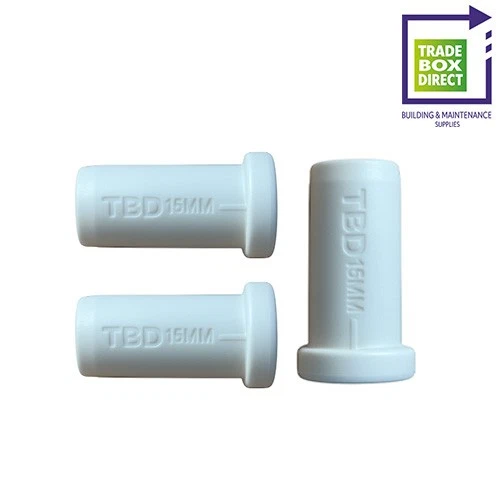
The 15MM Pipe Stiffener Insert (15mm pipe insert) is one of the most common pipe inserts used in UK homes. It fits inside 15mm plastic pipes and gives them the support they need before they are connected to push-fit or compression plastic pipe fittings.
Since 15mm pipes are widely used for everyday plumbing, this insert is a must-have for many installations. It helps the pipe keep its shape and creates a stronger connection inside the fitting. As a result, the joint is more secure and less likely to leak over time.
You will often find a 15MM Pipe Stiffener Insert in:
- Kitchen plumbing
- Bathroom pipework
- Toilet water supplies
- Washing machine connections
- Hot and cold water systems
- General household plumbing
Whether you are replacing a pipe or installing a new system, using the correct insert helps improve the performance and lifespan of your plumbing fittings.
Understanding the 22MM PIPE STIFFENER INSERT
The 22MM PIPE STIFFENER INSERT (22mm pipe stiffener insert) is designed for larger plastic pipes. These pipes usually carry more water, so they need extra support to handle higher flow rates and pressure.
Without the correct insert, a larger pipe may flex or lose its shape inside the fitting. This can weaken the connection over time. A 22mm pipe stiffener insert keeps the pipe stable and helps create a tight, reliable seal.
It is commonly used in:
- Main water supply lines
- Central heating systems
- Larger domestic plumbing projects
- Commercial plumbing installations
- Utility rooms and plant areas
Choosing the correct insert for larger pipes improves joint strength and helps the plumbing system work efficiently for many years.
How to Install a Plastic Pipe Insert
Installing a plastic pipe insert is quick and straightforward. If you follow the correct steps, you can create a strong and secure connection without much effort.
Step 1: Cut the Pipe
Use a good-quality pipe cutter to make a clean and straight cut. A smooth edge helps the fitting seal properly.
Step 2: Remove Any Rough Edges
Check the cut end of the pipe and remove any burrs or sharp edges. This prevents damage to the fitting and makes installation easier.
Step 3: Fit the Pipe Insert
Push the correct-sized plastic pipe insert fully into the pipe. Make sure it sits securely before moving to the next step.
Step 4: Connect the Fitting
Insert the prepared pipe into the plastic fitting until it reaches the stop inside the fitting. Always check that the pipe is fully inserted.
Step 5: Test the System
Turn the water supply back on and inspect every joint. If the inserts and plastic pipe fittings are installed correctly, the system should remain leak-free.
Common Mistakes to Avoid
Even simple plumbing jobs can go wrong if the correct steps are not followed. Fortunately, most mistakes are easy to avoid.
Using the Wrong Size Insert
Always match the insert to the pipe size. For example, use a 15MM Pipe Stiffener Insert (15mm pipe insert) with a 15mm pipe and a 22MM PIPE STIFFENER INSERT (22mm pipe stiffener insert) with a 22mm pipe. Using the wrong size can weaken the connection and lead to leaks.
Skipping the Pipe Insert
Some people install plastic pipe fittings without using a pipe insert. While the joint may seem secure at first, the pipe can lose its shape over time. This increases the risk of leaks and poor performance.
Making Uneven Pipe Cuts
A rough or angled cut can stop the fitting from sealing correctly. Always use the right cutting tool and make a clean, square cut before installation.
Mixing Incompatible Components
Not every plastic fitting works with every type of pipe. Before you begin, check that the pipe, fitting, and insert are all compatible. Following the manufacturer’s recommendations will help you build a safe and reliable plumbing system.
Benefits of Using Quality Plastic Pipe Fittings
Choosing high-quality plastic fittings is one of the best ways to build a reliable plumbing system. While cheaper products may save money at first, they often wear out more quickly. Good-quality fittings, on the other hand, provide better performance and help reduce future repair costs.
Here are some of the main benefits:
- Strong and leak-resistant connections
- Long-lasting performance
- Lightweight and easy to handle
- Resistant to rust and corrosion
- Quick and simple installation
- Low maintenance requirements
- Cost-effective for both DIY and professional projects
- Suitable for hot and cold water systems
Because of these advantages, plastic pipe fittings are now widely used in both new installations and plumbing repairs.
Where Are Plastic Fittings Commonly Used?
Today, plastic fittings are used in many different plumbing systems. Their strength, durability, and ease of installation make them suitable for both small and large projects.
You will commonly find them in:
- Homes and apartments
- Offices and commercial buildings
- Schools and hospitals
- Hotels and public facilities
- Kitchen and bathroom plumbing
- Central heating systems
- Garden irrigation systems
- Utility rooms
- Hot and cold water supplies
Since they do not rust like metal fittings, they perform well in a wide range of environments. They also require very little maintenance, making them a practical choice for everyday plumbing.
How to Choose the Right Plastic Fittings
Selecting the right plastic fittings is important if you want a plumbing system that performs well for years. Before buying any fittings, consider a few key factors.
Pipe Size
Always choose fittings that match the diameter of your pipe. Using the correct size creates a secure connection and helps prevent leaks.
Pipe Material
Different pipes are made from different materials. Therefore, make sure your plastic pipe fittings are compatible with the type of pipe you are using.
Water Pressure
Some plumbing systems operate under higher pressure than others. Choose fittings that are designed to handle the pressure in your system.
Hot or Cold Water
If the pipe will carry hot water, check that the fittings are suitable for higher temperatures. Not every fitting is designed for both hot and cold water applications.
Installation Method
Think about how you plan to install the system. Push-fit fittings are ideal for quick installations, while compression fittings are often preferred for certain plumbing applications.
Product Quality
Buying quality plumbing fittings from a trusted supplier is always a smart choice. Well-made fittings usually last longer and provide better performance over time.
Maintaining Plastic Plumbing Systems
One of the biggest advantages of plastic pipe fittings is that they need very little maintenance. However, regular inspections can help keep your plumbing system in excellent condition.
Here are a few simple maintenance tips:
- Check joints for signs of leaks.
- Replace damaged fittings as soon as possible.
- Avoid putting heavy pressure on exposed pipes.
- Protect outdoor pipes from accidental impacts.
- Inspect the system during routine home maintenance.
These small checks can help prevent larger problems and keep your plumbing working efficiently for many years.
Conclusion
Choosing the right plastic fittings and pipe inserts is an important part of any plumbing project. Although plastic pipes are flexible, they need proper support to create strong and reliable connections. That is why using the correct plastic pipe insert is essential.
Whether you are installing a new plumbing system or replacing old components, quality plastic pipe fittings and plumbing fittings can improve performance and reduce the risk of leaks. Using the correct 15MM Pipe Stiffener Insert (15mm pipe insert) or 22MM PIPE STIFFENER INSERT (22mm pipe stiffener insert) also helps keep every joint secure and long-lasting.
Before completing any installation, always follow the manufacturer’s instructions, choose compatible fittings, and test the system carefully. By taking these simple steps, you can build a plumbing system that is safe, efficient, and designed to last for years.
Frequently Asked Questions (FAQs)
1. What are plastic fittings used for in plumbing?
Plastic fittings are used to connect plastic pipes in water supply, heating, and drainage systems. They create secure joints while helping to prevent leaks and corrosion.
2. Do I need a plastic pipe insert for every installation?
In most push-fit systems and many compression systems, yes. A plastic pipe insert supports the inside of the pipe, strengthens the connection, and improves the seal.
3. What is the difference between a 15mm and a 22mm pipe insert?
A 15MM Pipe Stiffener Insert (15mm pipe insert) is designed for 15mm plastic pipes, which are common in household plumbing. A 22MM PIPE STIFFENER INSERT (22mm pipe stiffener insert) is made for larger 22mm pipes that carry a greater volume of water.
4. Can plastic pipe fittings be used for hot water systems?
Yes. Many plastic pipe fittings are suitable for both hot and cold water systems. However, you should always check the manufacturer’s temperature and pressure ratings before installation.
5. Are plastic fittings better than metal fittings?
Both options have their benefits. However, plastic fittings are lightweight, corrosion-resistant, easy to install, and often more affordable. For many modern plumbing systems, they are a practical and reliable choice.
